
Chapter 7 Bankruptcy Lawyer on Long Island
Nassau County & Suffolk County
Overwhelming credit card balances, medical bills, and personal loans can make it difficult to move forward. If you live in Nassau or Suffolk County, Chapter 7 bankruptcy may help you address eligible debts and start rebuilding your finances.
Chapter 7 Bankruptcy Assistance
The Law Offices of Adam C. Gomerman serve Long Island residents seeking answers about bankruptcy and debt-relief options. A free initial consultation lets you discuss your income, debts, property, and immediate concerns. Whether you are responding to collection calls or deciding how to handle mounting bills, understanding your options is the first step toward an informed decision.
Request a free bankruptcy consultation.
Call: 631.549.1111 | Email: adam@longislandlaws.com

What is Chapter 7 Bankruptcy?
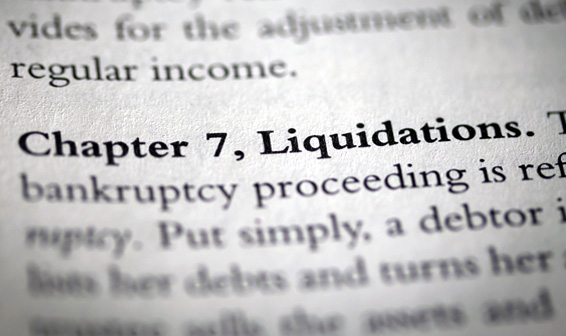
Chapter 7 is a federal bankruptcy process that can discharge eligible debts for an individual. A trustee reviews the case and may sell property that is not protected by exemptions. There is no Chapter 13-style repayment plan. A discharge releases personal liability for covered debts, but valid liens can survive. The result depends on your debts, property, and compliance with the bankruptcy requirements.
Debts that may qualify for Chapter 7 relief
Credit card debt, medical bills, and unsecured personal loans are common reasons people explore Chapter
7. Being unsecured does not automatically make a debt dischargeable. Fraud-related obligations, certain
taxes, domestic support obligations, and other statutory exceptions require careful review. Student loans
covered by the bankruptcy exception generally require an undue-hardship determination to be discharged.
Bring a complete creditor list to your consultation, including disputed debts, judgments, and obligations
owed to family members. A useful discussion considers each debt individually instead of assuming that
bankruptcy eliminates every balance.
When Collection Pressure Becomes Urgent
Filing generally triggers an automatic stay that pauses many collection efforts, including covered lawsuits and garnishments. Exceptions apply; repeat filings can limit protection, and creditors can request relief from the stay. If a foreclosure sale, repossession, or court deadline is approaching, disclose the date when you contact the office. A consultation alone does not create bankruptcy protection.
Eligibility & Protecting Property
Do I qualify for Chapter 7 in New York?
Eligibility involves more than the amount you owe. For many individual consumer cases, the means test
evaluates income and allowed expenses. The applicable New York median-income information depends on
household size and the filing date. Having income above the median does not, by itself, answer every
eligibility question; further calculations and the full circumstances of the case matter.
Income records, household expenses, and prior bankruptcy history help your attorney evaluate the
available path. Tell the office about recent changes in employment, overtime, commissions, or household
contributions. Use the official U.S. Trustee data applicable to the filing date rather than relying on an old
online income chart.
Can I Keep My Home or Car?
Property protection requires a separate analysis from debt discharge. New York law permits an individual
debtor to choose federal exemptions instead of the applicable New York exemption package, subject to
bankruptcy eligibility rules. The choice affects which property and how much value can be protected. Do
not assume the two systems can be combined.
A home or vehicle review should consider its value, loan balance, ownership, available exemptions, and
payment status. A discharge does not automatically remove a mortgage or car lien. Ask your attorney to
explain both the property risk and the consequences of any proposed agreement with a secured lender.
Chapter 7 or Chapter 13?
The right chapter depends on what you need to accomplish. Chapter 13 ordinarily uses a three- to five-year
repayment plan and can provide a way for eligible homeowners to catch up on mortgage arrears. Chapter 7
does not offer that same repayment structure. An attorney can compare the alternatives before you file.
A Nassau County homeowner and a Suffolk County renter can have very different priorities. Explain what
you need to protect, what payments you can maintain, and which debts are creating the most pressure.
That information makes the consultation more useful.
The Chapter 7 process on Long Island
Prepare, file, and complete the required steps
1. Review your finances. Discuss debts, income, assets, prior cases, and your goals. Ask which
documents the office needs and how legal fees will be handled.
2. Complete approved credit counseling. Individual debtors generally need prefiling counseling within
180 days before filing, subject to limited exceptions. Use an approved provider.
3. File accurate disclosures. Your case requires detailed financial information. Disclose property and
transactions honestly; concealing assets or making false statements can jeopardize a discharge.
4. Attend the meeting of creditors. The trustee asks questions about your financial affairs. The ordinary
Chapter 7 meeting window is 21-40 days after filing. Follow the actual case notice and provide requested records.
5. Complete debtor education and await the court. The postfiling financial-management course is
separate from prefiling counseling. Discharge is generally entered 60-90 days after the first scheduled
meeting date when no issue delays it. Administration of assets can continue afterward.

How much does Chapter 7 cost?
The Eastern District of New York currently lists a $338 Chapter 7 filing charge: $245 for filing, $78 for
administration, and $15 for the trustee surcharge. Attorney fees and course charges are additional. Ask for
a clear explanation of the total anticipated cost.
An eligible individual may request installments or a court-approved fee waiver. A waiver requires income
below 150% of the applicable poverty guideline and inability to pay in installments; approval is not
automatic.
What should I bring to a consultation?
Prepare recent income records, tax returns, bank statements, creditor notices, loan information, and a list
of property. Include foreclosure documents or lawsuit papers if applicable. Tell the attorney about transfers,
gifts, recent borrowing, expected refunds, and any previous bankruptcy cases. Keep original notices and
record upcoming deadlines. The office can provide a case-specific document checklist.
Do not transfer property, omit a creditor, or assume that new borrowing will be discharged. Discuss
proposed financial changes before taking action. Complete and accurate information helps your attorney
identify issues early and explain realistic options.
Nassau and Suffolk County Bankruptcy Help
Serving Residents Across Long Island
The Law Offices of Adam C. Gomerman serves Nassau County and Suffolk County from its Huntington
Station office. If you are researching a Chapter 7 bankruptcy lawyer on Long Island, a consultation can help
you compare relief options with the financial obligations you face today.
For Nassau County residents in communities such as Hempstead, Levittown, Hicksville, Freeport, and
Garden City, questions often begin with household bills and property concerns. Suffolk County residents in
Huntington, Smithtown, Babylon, Islip, and Brookhaven can use the same consultation to discuss income,
debt, and goals. These communities describe the service area; they are not additional office locations.
Chapter 7
Frequently Asked Questions (FAQs)
Will Chapter 7 erase every debt?
No. Domestic support obligations, certain taxes, and other exceptions can remain. Review each obligation
with an attorney before deciding to file.
Can I file if I have a job?
Employment alone does not resolve eligibility. Your income, household circumstances, allowed expenses,
and other legal requirements must be evaluated.
Will I lose everything I own?
Exemptions may protect property, but nonexempt assets can be sold. Review your property before filing; no
blanket promise applies to every home or car.
Does Chapter 7 permanently stop foreclosure?
No. The automatic stay can pause covered proceedings, subject to exceptions and court orders. It does not
erase a valid mortgage lien or create a repayment plan for missed installments.
Can I receive another Chapter 7 discharge?
A prior Chapter 7 or Chapter 11 discharge can bar a Chapter 7 discharge when the earlier case began within
eight years before the new filing. Other prior cases have different rules. This concerns discharge eligibility,
not an absolute ban on filing.
How do I get started?
Call (631) 549-1111 to request a free initial consultation. Bring your questions and financial records so the
office can discuss the next steps.
- 631.549.1111
- adam@longislandlaws.com
- Mon, Thurs, Fri 9am - 5pm
- Tues, & Wed 9am - 7pm
ARE YOU LOOKING FOR A
Chapter 7 Bankruptcy Attorney?
Get a free initial consultation right now